
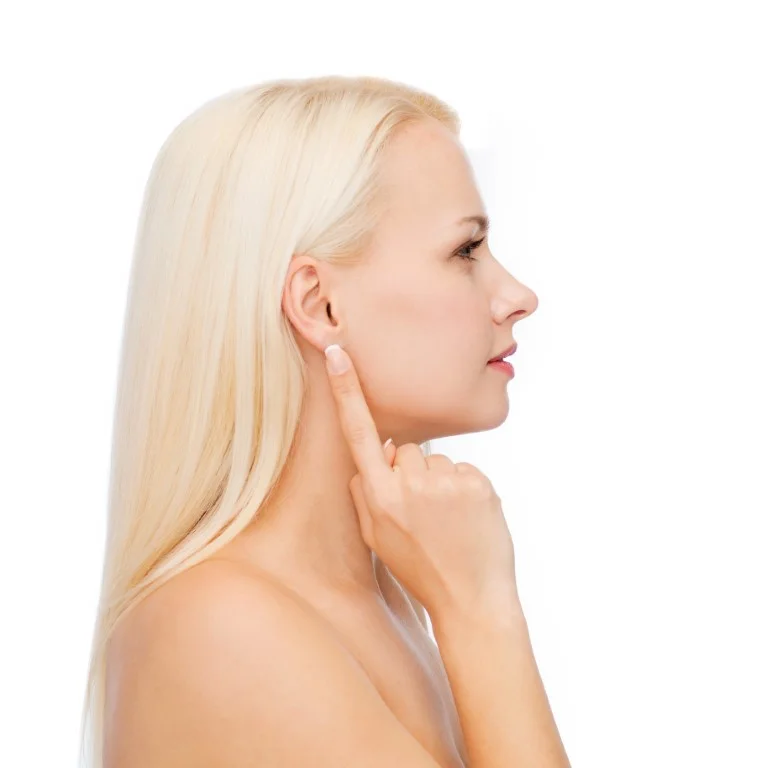
Protruding ear problems may occur in cases where the auricle stands out clearly due to genetic characteristics. This situation may cause problems in the person’s social life, such as lack of self-confidence. Protruding ear surgery ( otoplasty ) stands out as a surgical intervention to shape the earlobe in a closer position to the skull. Protruding ear aesthetic surgery can be performed under local or general anesthesia, and the patient can usually be discharged after the surgery. The recovery process may vary depending on the patient’s personal factors, but a return to normal activities can usually be made within a few days. Mild side effects such as edema and bruising may occur, but these will disappear within a few weeks. Ear aesthetic prices may vary depending on many conditions.
Operational interventions, also known as ear shaping or ear aesthetics, are defined as otoplasty. This procedure may be preferred to change the shape, size or position of the ears. Otoplasty surgery is generally used for the treatment of congenital ear anomalies such as prominent ears, but it can also be applied for age-related changes in the ears and deformations following some conditions. Protruding ear aesthetics are usually performed under local anesthesia and the patient is usually discharged on the same day. During surgery, the shape or position of the ear is changed to provide a more natural appearance. In some cases, excess fat or tissue from the ears may be removed or the ear canal may be reconstructed. Otoplasty prices may vary depending on various factors.
Ear aesthetic procedures performed with this method are performed using medical threads to straighten the ears without any surgical intervention and are generally preferred to correct slightly drooping ears. It can also be performed as a relatively simple procedure that can only be performed under local anesthesia. During the procedure, several small incisions are made in the skin behind the ear and threads are placed in the ear cartilage. The ear is brought to a straighter position with the help of threads fixed to the cartilage. The healing process after these interventions usually takes less time. However, this method is only effective on mildly drooping ears, and more serious deformities may require surgical intervention.
Prominent ear aesthetic prices may vary depending on several factors. These factors include the quality of the clinic, surgeon experience, type of anesthesia, and difficulty of the intervention. Cheap cost operations should not be perceived as advantageous operations. This area, which directly affects facial appearance, can have a very negative impact on a person’s psychology after wrong and poor quality clinic choices. The determining criterion for the price of prominent ear surgery should be clinical and surgeon experience, not cost.
Protruding ear aesthetics is usually performed under local anesthesia and may take approximately 1-2 hours. During the procedure, the skin behind the ear is lifted and the shape of the cartilage structures is changed. Necessary incisions are made to bring the cartilages closer to the head using special techniques. After the surgery, the ears are bandaged and discharge is usually performed on the same day. During the first few days it is necessary to continue the use of wraps to maintain the shape of the ears and reduce swelling. The recovery process may vary depending on the person’s age, general health condition and the extent of the surgery. However, normal activities can usually be returned after 1-2 weeks.
Although the recovery process after prominent ear aesthetic surgery varies from patient to patient, it usually takes a few weeks. There may be swelling and pain in the ears in the first days after surgery. Additionally, the stitches remain in the ear for a few days. In this process, dressings and tapes are changed regularly and the hygiene of the treated area is ensured. However, daily activities can be returned within the first week. Another point to consider after surgery is the lying position. It is recommended to keep the head in an elevated position while lying down for several weeks. In this way, blood flow is regular and swelling can heal faster.
There are important factors to consider during otoplasty surgery :
• Things to consider before the procedure: Especially taking a break from alcohol and cigarette use two weeks in advance is among the measures that accelerate the healing process. In addition, complying with the plan determined by the doctor specifically for the candidate before the operation makes a significant contribution to the process.
• Things to consider after the procedure: It is necessary to use painkillers recommended by the relevant doctor for possible pain that may occur in the post-operative period. In addition, activities such as swimming, Turkish bath and sauna may need to be avoided for at least two weeks. The reason for this is that in such activities there is a risk of infection of the area being intervened.
By meticulously following such simple rules during the surgery process, possible problems can be minimized.
This procedure is usually applied to children over 6 years old and adults. However, every patient is different and your doctor can help you determine the most appropriate age range. Additionally, surgery should only be performed when the ears are fully grown and developed healthily.
Otoplasty is generally preferred by families of children who do not want to experience social problems at an early age in the school environment. However, this procedure can be applied to all age groups. Ear shape and size can significantly affect the general appearance of a person’s face, and adults can also have prominent ear aesthetics due to aesthetic concerns. On the other hand, those who have ear deformities due to health reasons can also have otoplasty surgery.
After prominent ear surgery, there is a possibility of a scar behind the ear. However, this scar may vary depending on the method and techniques used by the surgeon, the patient’s skin structure and the healing process. Usually, the surgeon ensures that the incision is small and positioned so that it is hidden behind the ear. During the healing process, following the surgeon’s instructions and being gentle with the ears can help minimize scarring.
It is very rare for prominent ear surgery to affect hearing ability. However, care is taken to avoid any damage to the ear structure during the surgery. The use of bandages only after the operation may temporarily affect hearing ability as they may cover the ears.
Prominent ear headband is a type of headband used to shape and correct the ears. It is used especially for babies and young children and returns the ears to their normal position. Special pads on the inner surface of the band hold the ears in place and are used regularly until the ears return to their normal shape. This method can also be preferred as a temporary solution for young children who are not suitable for prominent ear surgery or during the post-operative recovery period.
Protruding ears do not cause problems that will negatively affect a person’s hearing ability. Although it is a purely aesthetic problem, prominent ear anomaly can have a negative impact on a person’s self-esteem and self-confidence. Accordingly, quality of life may decrease.
Being the subject of ridicule, especially among young children’s friends, can lead to worsening school performance and antisociality. This situation, defined as peer bullying, may prevent children from realizing themselves and may cause psychological disorders of increasing severity until adulthood.
Protruding ears are a problem that can be visually noticed in babies and children from the moment of birth. However, 30% of babies with prominent ear anomalies are born with normal-looking ears. And this problem occurs until the age of 3 months. It is recommended that the treatment of children with obvious prominent ear problems be carried out before they start school.
If the prominent ear anomaly is diagnosed before the baby is three months old, ear molding or taping method can be used. If applied early enough, it is possible to correct the problem in the baby’s ears by reshaping without surgery. This treatment usually lasts about 6 to 8 weeks.
Protruding ear problems in babies older than three months can be corrected by applying the surgical method also known as Otoplasty. The most appropriate time for the operation will be determined by the physicians. Protruding ear surgery can generally be performed on children aged 5 years old, when ear development is completed.
Otoplasty method is used to eliminate the prominent ear problem in children with severe congenital deformities or birth defects and who are not at extreme risk under anesthesia and surgery. When the child reaches the age of 4, otoplasty may be considered as an option when the auricle has reached 85% of its adult size.
Protruding ear surgery is generally preferred between the ages of 5-15. When children are under five years old, the cartilage can be very loose and the stitches may not hold.
Protruding ear problem can be solved by two different methods. In traditional otoplasty, a small incision is made behind the ear to expose the cartilage. Excess skin and cartilage are removed before the ear is attached to the head using dissolvable sutures.
A bandage is wrapped around the head to protect the ears and keep them in place. The bandage must be worn for about 10 days after surgery. Traditional otoplasty, which takes approximately two hours, is performed under general anesthesia.
As a result of the developments in medical technologies, non-surgical prominent ear aesthetics are also offered as an alternative. No incision is required in this non-surgical method. Strategic stitches are used to achieve a more symmetrical and aesthetic appearance. The stitches, which use special threads, cannot be felt or seen after a short healing period.
During otoplasty, a slight, invisible scar may be left behind the ear. Since there is no incision in the non-surgical otoplasty technique, there is no scar left. Additionally, if the patient is not satisfied after the application, there is the possibility of reversing the application.
Which method will yield a better result should be determined according to the medical evaluation and the patient’s expectations. Since the technique that will give the best result for everyone may vary, it is important that the pre-operative planning process is made as detailed as possible.
Protruding ear surgery is performed under local anesthesia, general anesthesia or sedation. Therefore, it is not possible for the patient to feel any pain or discomfort during the surgery. The operation process is very comfortable.
It is possible to correct the prominent ear problem without surgery in the first 3 months of babies. Over time, the ear cartilage begins to harden and surgical intervention becomes the best treatment option. Apart from otoplasty, the thread tightening method is used in non-surgical prominent ear aesthetics, but this method is not permanent.
In other words, except for a certain period of time in infancy, surgical intervention is the only way to permanently correct the prominent ear problem. However, today, prominent ear treatment can be performed without surgery and patients can achieve their ideal appearance with repeated applications.
After the protective bandages are removed after prominent ear surgery, the change that the patient notices in his ears is permanent. With prominent ear surgery, the prominent ear problem that can be observed in one or both ears can be eliminated, the asymmetry between the ears can be resolved, and the shape of the ears can be made compatible with other organs on the face.
Protruding ear surgery can be performed by an ENT specialist or plastic surgeon. The point that should be taken into consideration in the decision-making phase should not be the branch of the doctor who will perform the surgery, but the competence and experience that will enable him to perform the surgery successfully.
In cases where prominent ear surgery is performed on a single ear, asymmetry may develop between the ears. Or, after the asymmetry applied to both ears, asymmetry may occur between the ears depending on the differences that occur during the healing process.
Protruding ear aesthetics can be performed together with other facial aesthetic surgeries if necessary and deemed appropriate by the surgeon. What is important at this point are the patients’ expectations regarding aesthetic appearance and the aesthetic problems they have. Protruding ear surgery can be combined with various surgeries such as nose aesthetics, lip aesthetics, chin aesthetics, and cheekbone aesthetics.
Operational interventions, also known as ear shaping or ear aesthetics, are defined as otoplasty.
 Our Treatments
Scheduling consultation is the first step toward achieving your health and wellness goals with the best support.

Estecenter offers excellent health services with many medical staff and doctors specialized in cosmetic surgery, hair transplant and medical aesthetics.